Morning
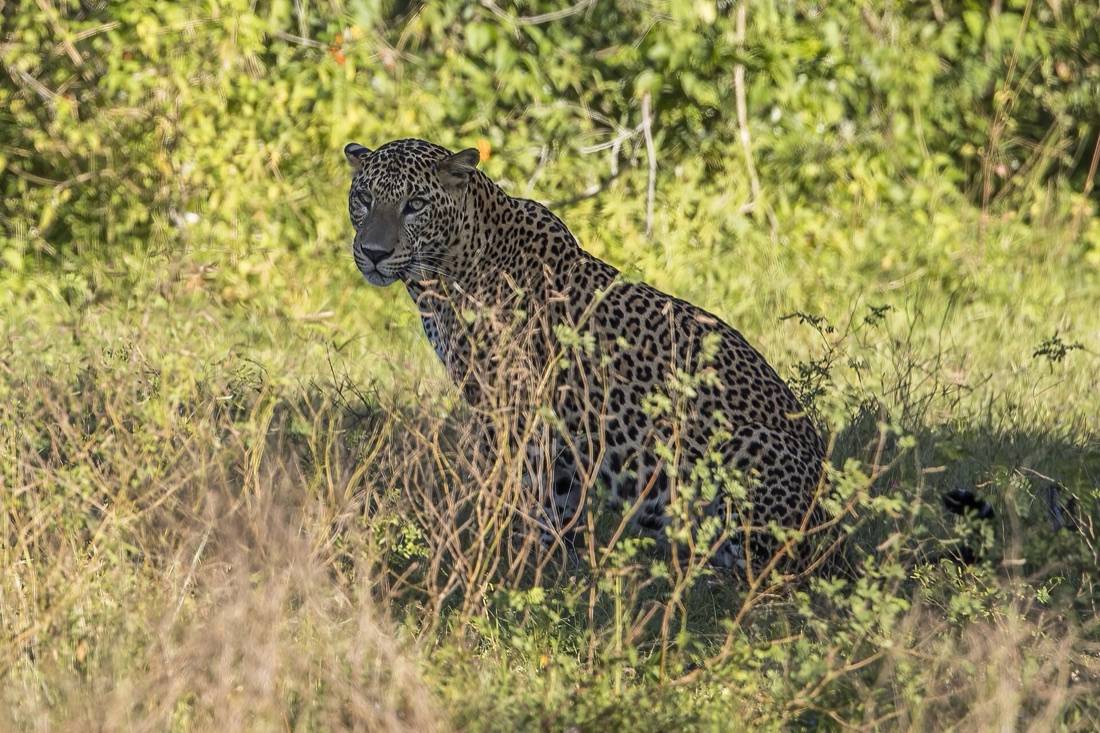
Male leopard, Block 1 Charles J. Sharp · CC BY-SA 4.0
Dawn Leopard Trail
From$95 /jeep
View
Gate open to gate close. Twelve hours in the park, lunch by the sea, and time to wait as long as a sighting needs.
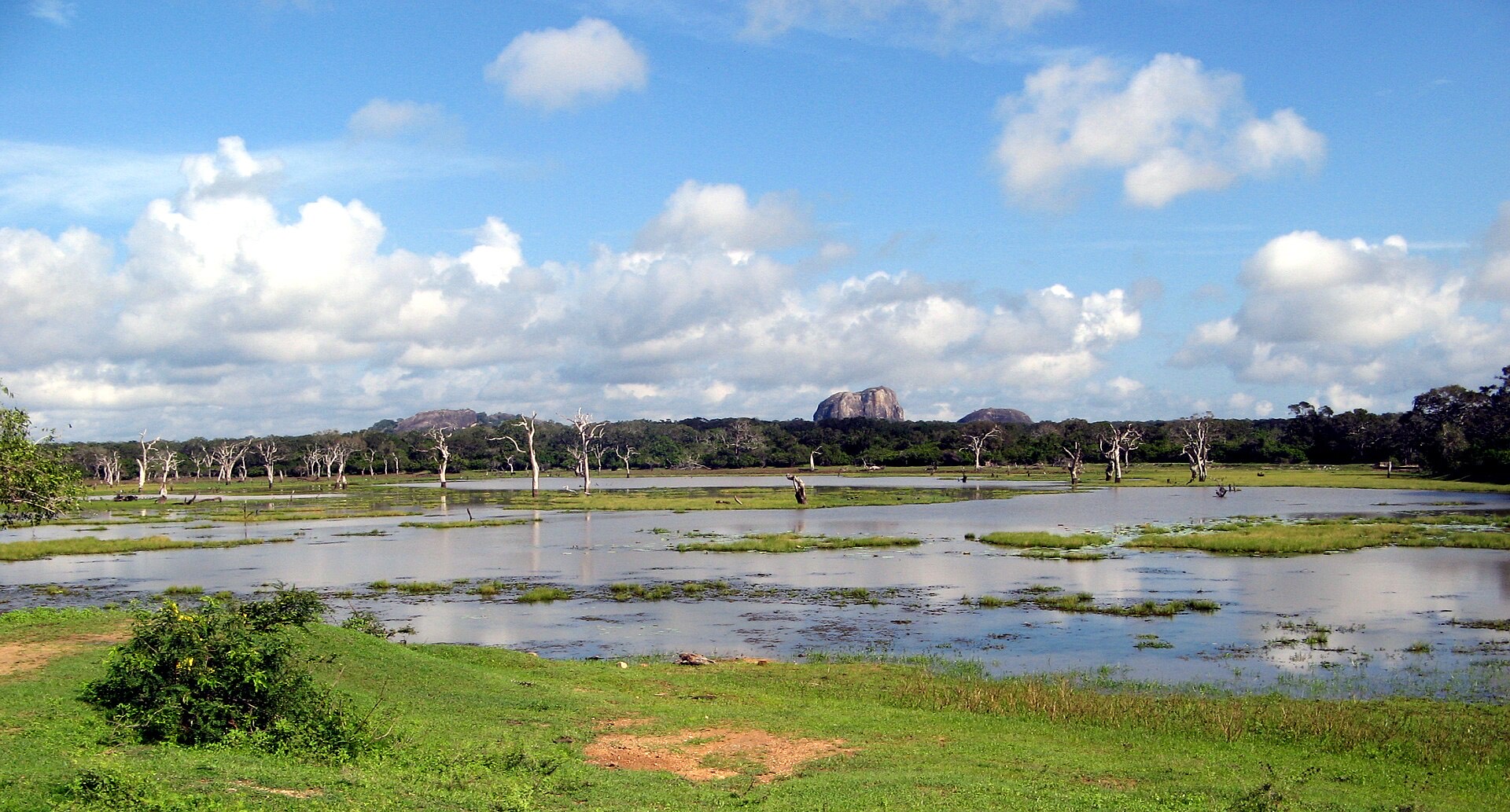
Elephant Rock from the lagoon Yala Block 1 Michael Gunther · CC BY-SA 4.0
A half-day drive is a sample. A full day shows you how the park changes from dawn to dusk.
You're in the park for both of the day's best windows, the cool hour after sunrise and the golden hour before sunset, without driving out and back at midday. We also go further than half-day jeeps have time for: the far lagoons, Elephant Rock and the coast at Patanangala.
Around midday, when the animals rest in the shade, we stop for lunch at a designated picnic spot by the sea. The rest of the day follows the animals. If a leopard is asleep in a tree in the morning, we can come back to it in the afternoon.
Times are a guide. If something is happening, we stay with it.
Your jeep and tracker meet you at the door. Coffee, blankets and breakfast boxes are on board.
Your tickets are already bought, so we join the jeep line early.
Straight to the rocky outcrops and sandy tracks, where leopards are most active in the first hours.
Breakfast at a designated rest stop, with a chance to stretch your legs.
Deeper into the park, where fewer jeeps go: wetland birds, crocodiles and herds of buffalo.
Rice and curry at a designated picnic spot by the sea, with shade and basic toilets.
We go back to any morning sightings and check the shady spots where leopards and bears rest in the heat.
We set up at the water as herds come down to drink in the evening light.
A slow drive to the gate, watching the roadsides as animals start to move again.
Tired, dusty and with a full memory card.
The widest loop we drive: from the rocky outcrops to Elephant Rock, out to the far lagoons, along the coast to Patanangala and back past the waterholes.
From our trackers' logs for this safari. Wild animals keep their own schedules.
Fourteen hours door to door, most of it in a jeep. Rewarding, but tiring.
Between 11:00 and 15:00 most animals rest in the shade, and that's when we eat lunch.
The deeper loops are bumpier and dustier than the main roads near the gate.
Children from about ten usually enjoy it. For younger children, two half-day drives with a rest at the hotel in between is often easier.
Yes. The designated rest stops, including the picnic area at Patanangala, have basic toilets. Your tracker plans stops around them.
No. A full day gives you the best odds of any safari we run. In the dry season our guests see a leopard on roughly eight in ten full days.
Block 1 usually closes for part of September and October. The Department of Wildlife Conservation announces the exact dates each year. During the closure we run this safari in Block 5.
There's no deposit. You pay after the drive, in cash (LKR or USD) or by card. Cancel or change your date free of charge up to 24 hours before pickup.
If a full day is too much, a morning or afternoon drive still covers one of the day's best windows.
Male leopard, Block 1 Charles J. Sharp · CC BY-SA 4.0
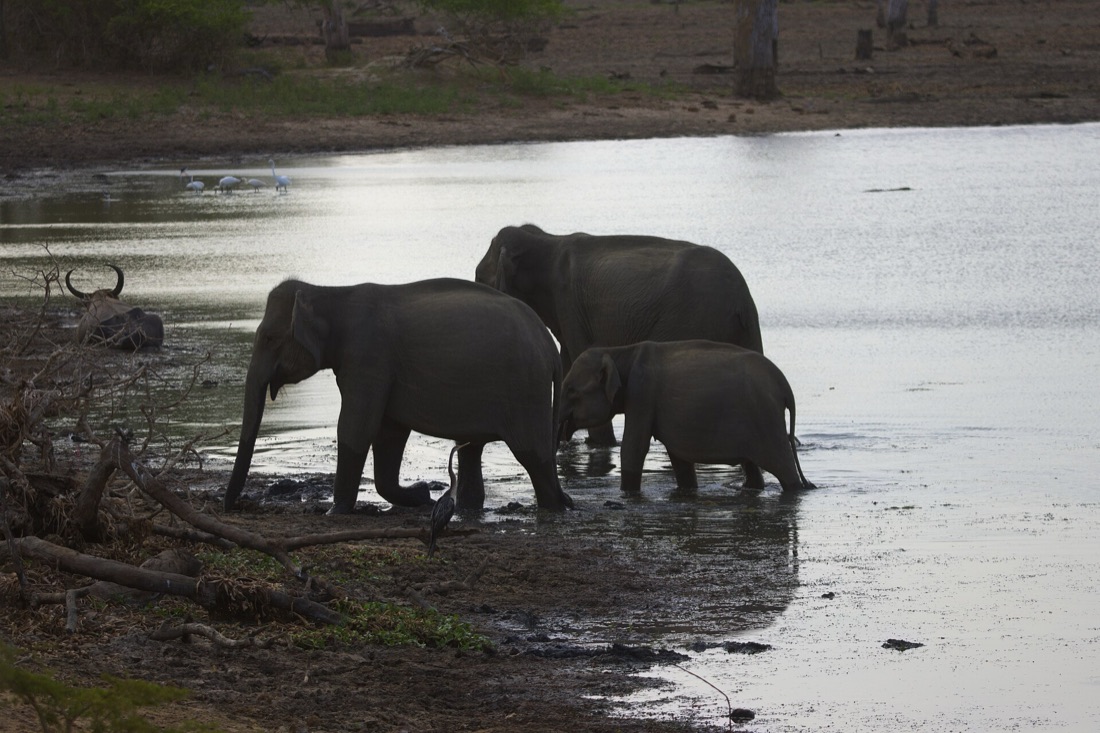
Elephants at a waterhole C.J. Hatton · CC BY-SA 4.0
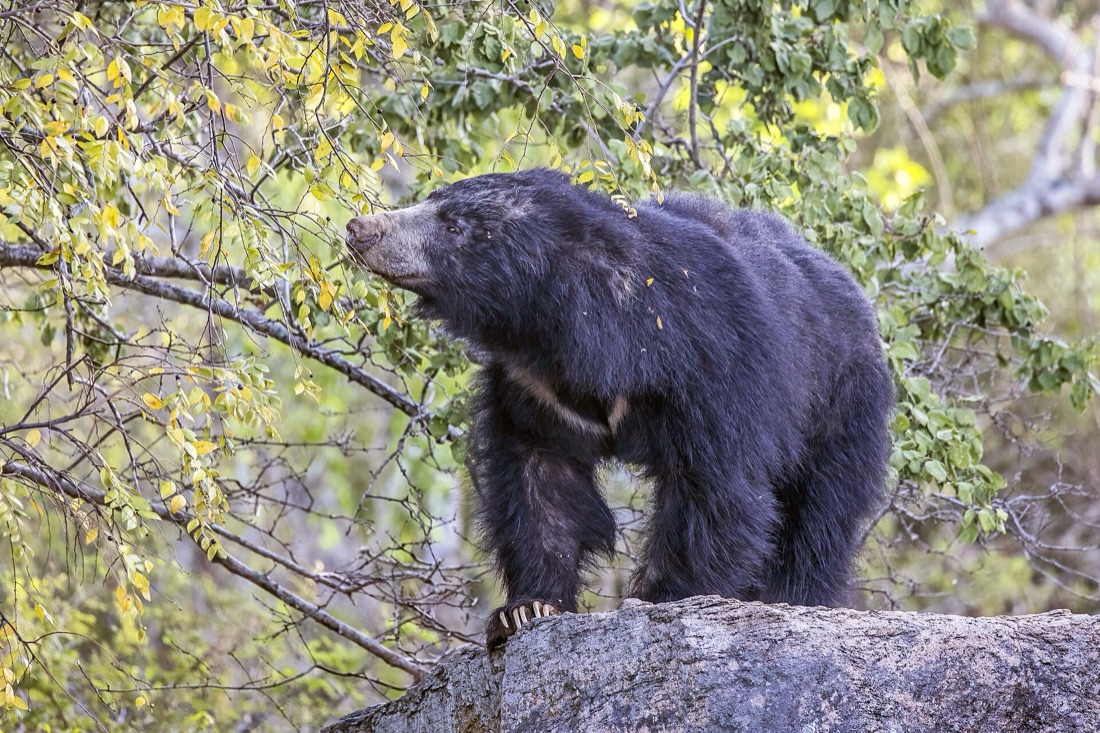
Sloth bear in palu season Charles J. Sharp · CC BY-SA 4.0
Tell us your date and where you're staying. We'll confirm your jeep, your tracker and your pickup time, usually within a few hours.
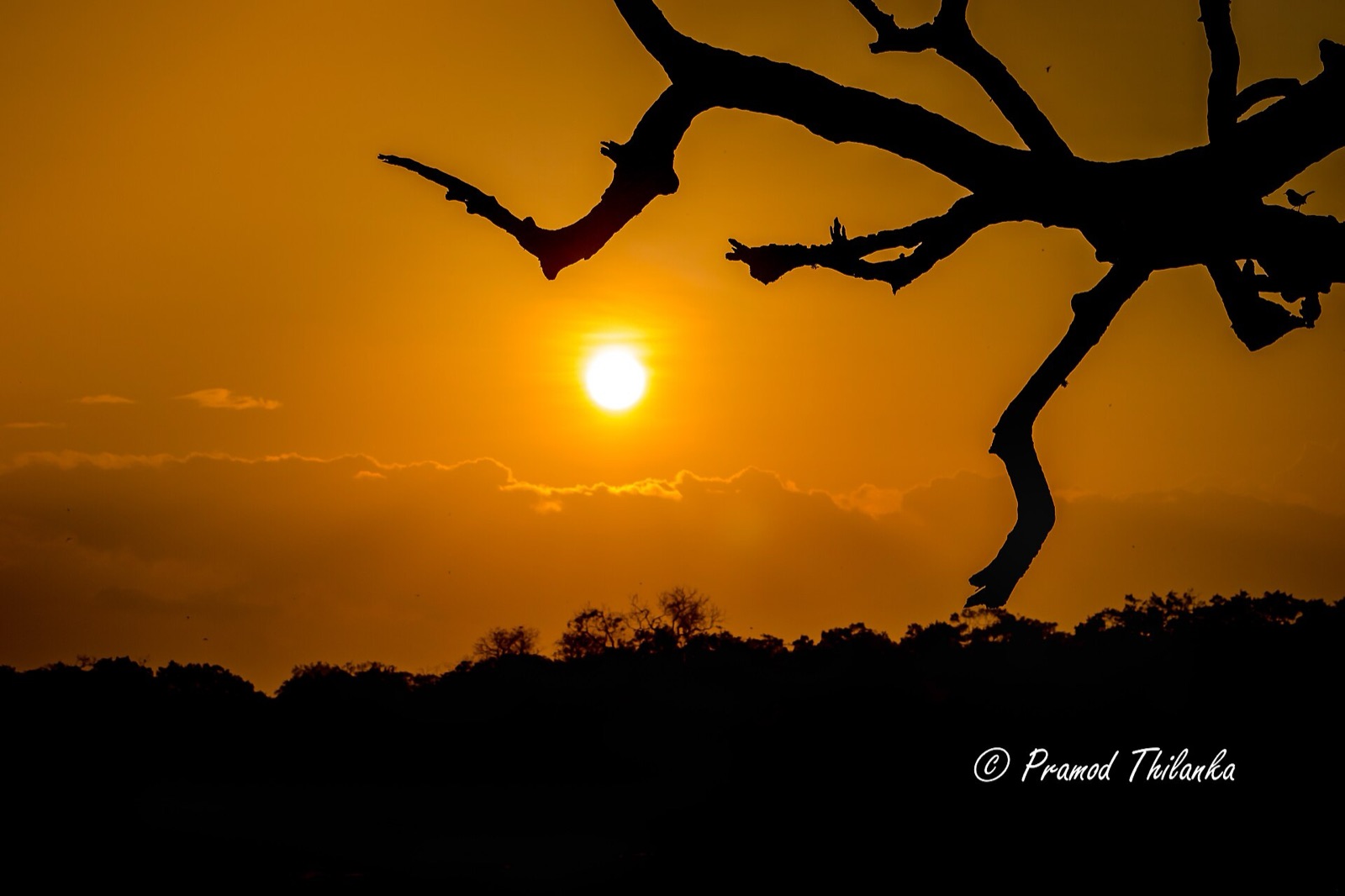
Sunset over Yala Pramod Thilanka · CC BY-SA 4.0
We'll reply on email or WhatsApp, usually within a few hours.