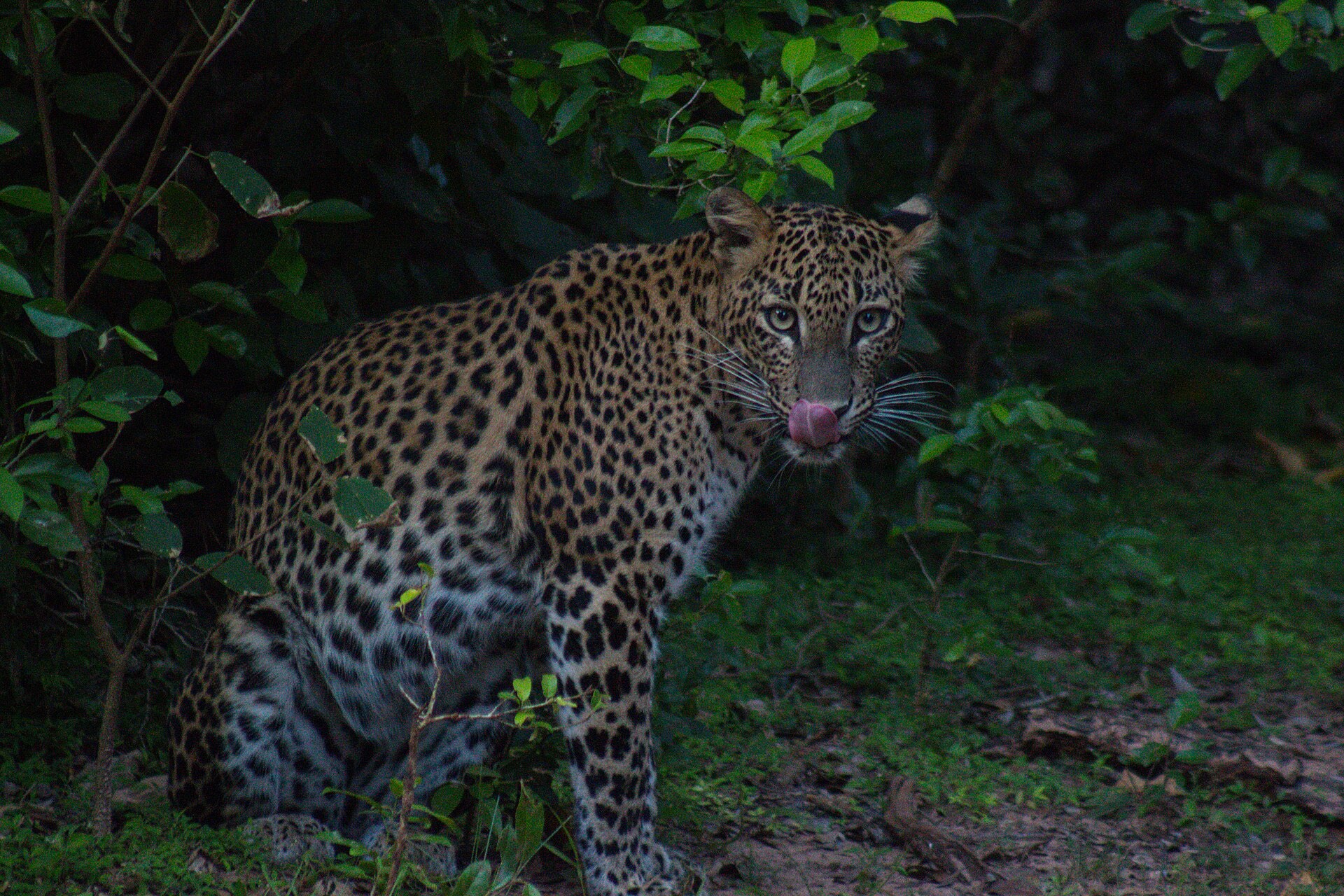
Sri Lankan leopard
Panthera pardus kotiyaThe island's top predator, and the animal most people come to Yala hoping to see. With no tigers or lions to compete with, Sri Lanka's leopards are often out in daylight.
Sri Lankan leopard Panthera pardus kotiya Adrian Ranasinghe · CC BY-SA 4.0
- Latin name
- Panthera pardus kotiyafound only in Sri Lanka
- Status
- VulnerableIUCN Red List
- Size
- Males ~56 kgfemales ~29 kg on average
- Diet
- Deer, boar, langursand smaller prey
- Where in Yala
- Block 1rocky outcrops & tracks
Overview
Yala's Block 1 has one of the highest densities of leopards recorded anywhere in the world.
The Sri Lankan leopard is a subspecies found only on the island, and it's the largest predator here. Without bigger cats to avoid, leopards in Sri Lanka are more relaxed in the open and more active by day than leopards in much of Africa and India. That's a big part of why Yala is one of the best places on earth to see one.
Leopards are solitary and territorial. Each one has its own range, and a resident female may be seen in the same area for years. Our trackers know many of Block 1's leopards by their spot patterns, which are unique to each animal, like a fingerprint.
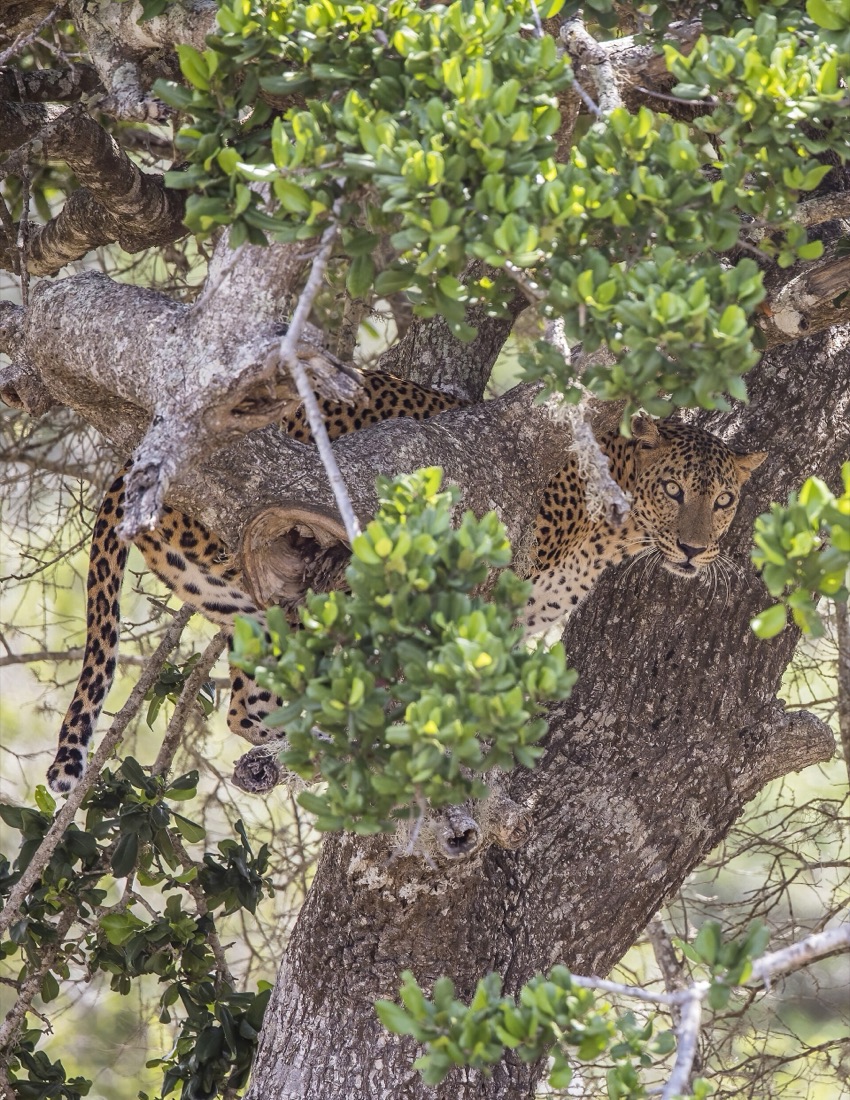
How to spot one.
Listen for alarm calls
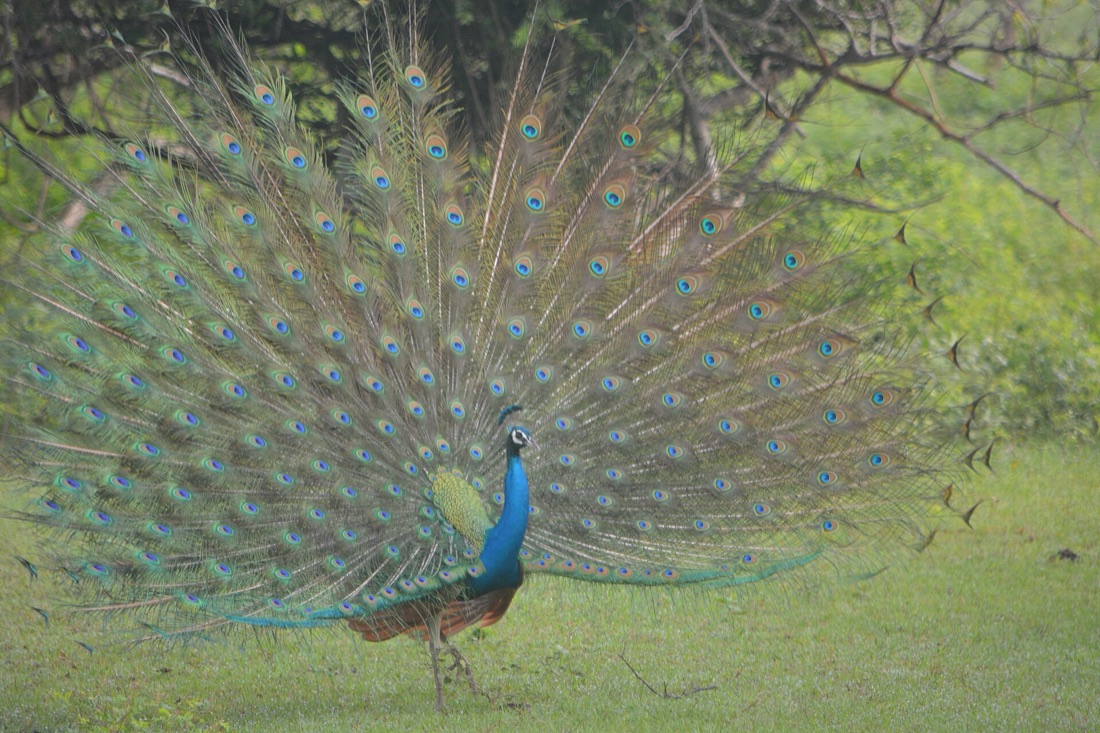
Grey langurs bark, spotted deer give a sharp whistle and peafowl call loudly when they spot a cat. Your tracker will cut the engine and listen.
Check the rocks at dawn
Leopards like the granite outcrops in the cool early morning, where they can rest and watch over their territory.
Look up into the trees
They often rest along thick branches in the heat of the day, sometimes with a kill stored nearby.
Read the road
Fresh pugmarks on the sandy tracks tell trackers which way a leopard walked and roughly how long ago.
At a glance.
- Active
- Dawn and dusk, often by day
- Social life
- Solitary, except mothers with cubs
- Cubs
- Usually two, staying with the mother for a year or more
- Population
- Fewer than 1,000 in the wild, by most estimates
- Threats
- Habitat loss, snares and road traffic
- Spot it by
- Rosettes, long tail, pale belly
The best months.
Leopards live in Yala all year. In the dry season, from February to July, thinner cover and shrinking waterholes make them easier to find.
Three things to remember.
No two are alike
Every leopard's rosette pattern is unique, so trackers can tell individuals apart from photos.
Daylight hunters
With no larger predators on the island, Sri Lankan leopards hunt and rest in the open more than most leopards.
An island apart
They've been separated from mainland leopards for thousands of years, long enough to become their own subspecies.
How we watch them.
- We keep a respectful distance and never block a leopard's path.
- Engines off, voices low and no flash photography.
- We leave when a cat starts to look unsettled, even if other jeeps stay.
- We never follow a leopard off the official tracks.
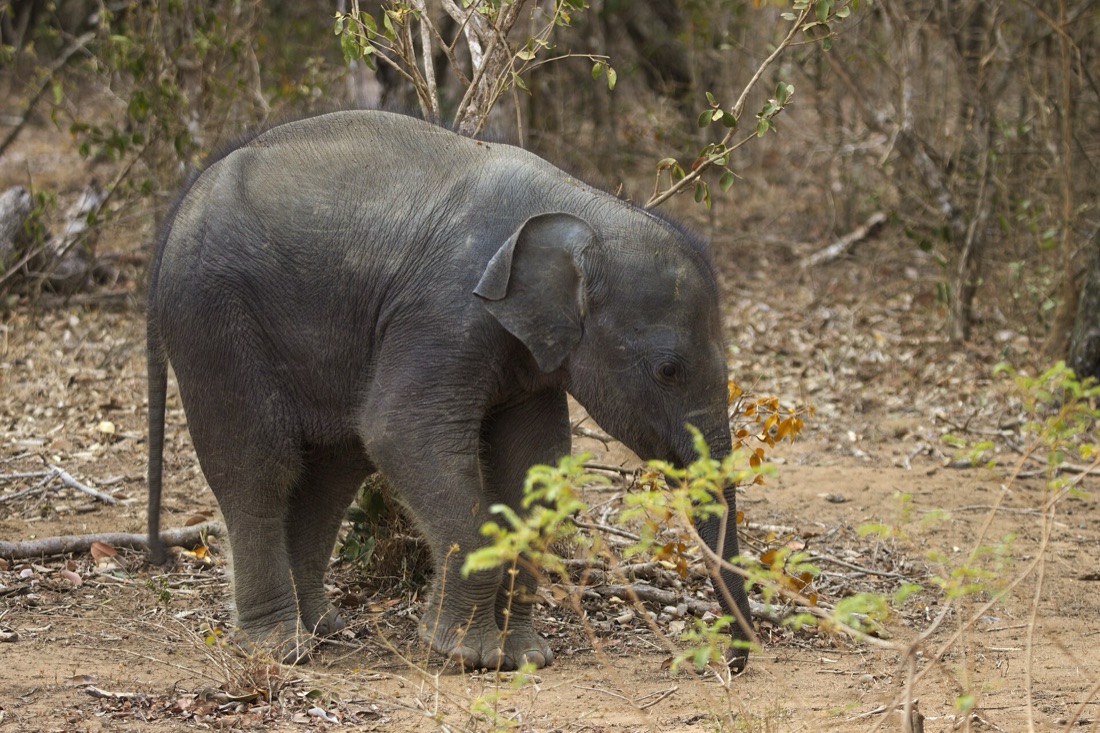
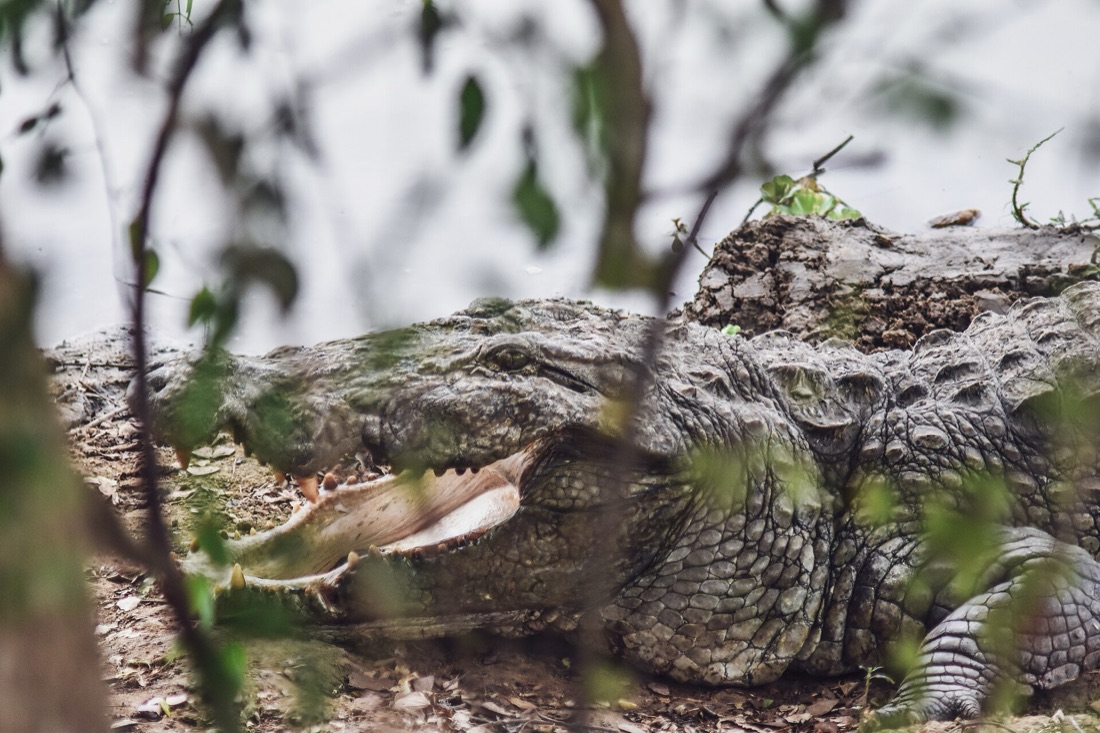
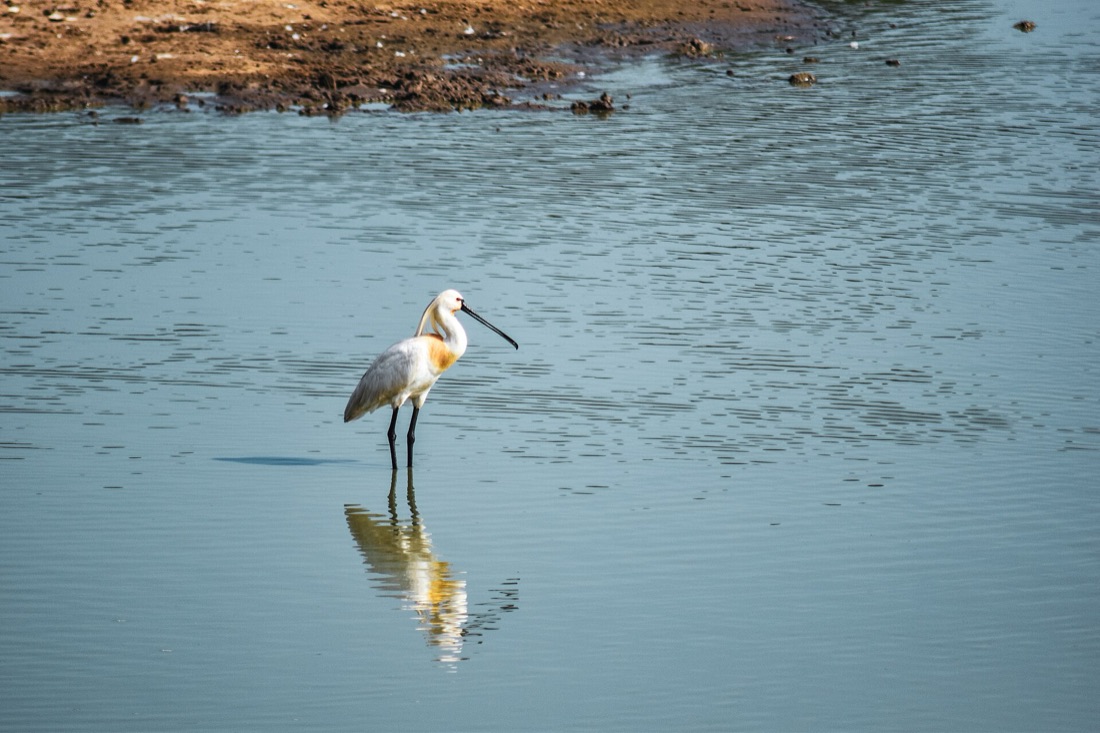
More of Yala's wildlife.
The animals our guests ask about most, and how to find them.
Go looking for one. We know where.
Tell us your date and where you're staying. We'll confirm your jeep, your tracker and your pickup time, usually within a few hours.
- No deposit, pay after your safari
- Free cancellation up to 24 hours before
- Park tickets bought for you, no queue
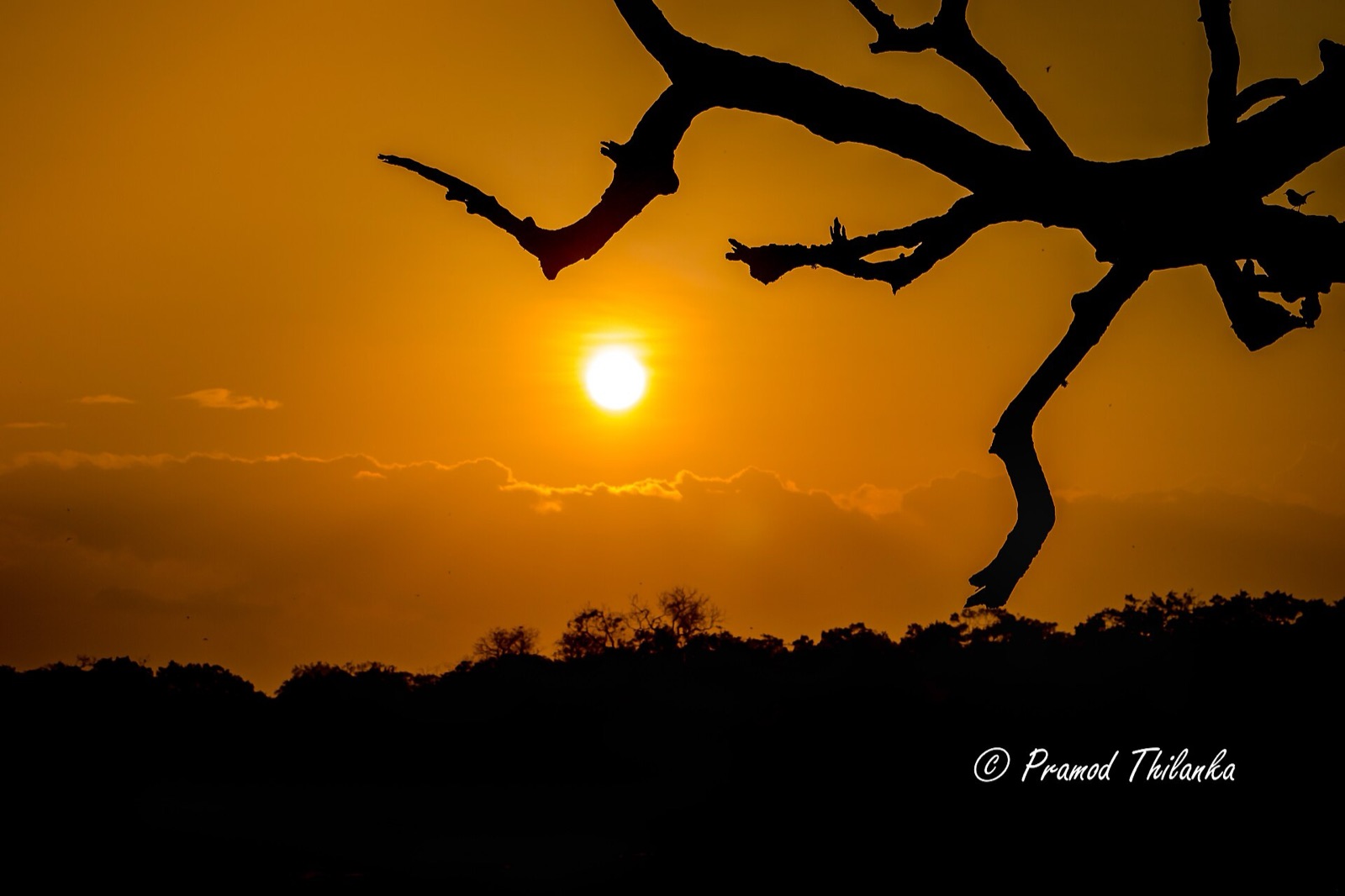
Sunset over Yala Pramod Thilanka · CC BY-SA 4.0
Book a safari
We'll reply on email or WhatsApp, usually within a few hours.